
The Day Mount St. Helens Blew Its Top
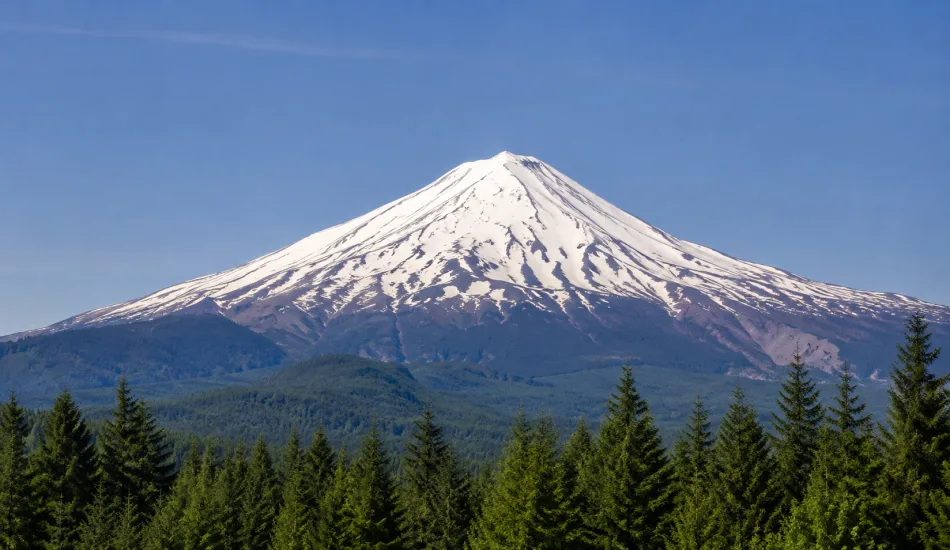
LEWIS COUNTY, WA — May 18, 1980, started like any other quiet Sunday morning in southwest Washington. Then, at 8:32 a.m., Mount St. Helens made sure it would never be remembered that way again.
After weeks of earthquakes, steam, warnings, and a growing bulge on the north side of the mountain, the volcano finally let go. A strong earthquake triggered a massive landslide, and in seconds the side of the mountain collapsed. That released the pressure inside, sending a blast sideways across the landscape with unbelievable force. This was not just a mountain puffing smoke into the air. This was Mount St. Helens blowing out its side and permanently changing the map.
The eruption killed 57 people and destroyed forests, roads, bridges, homes, and nearly everything else in its path. Trees were flattened like somebody had dragged a giant rake across the hillsides. Rivers filled with mud and debris. Ash rose miles into the sky and eventually fell across much of the region, turning daylight strange and gray. People who were nowhere near the crater still found ash on their cars, in their yards, in their gutters, and probably in places they are still finding it today.
Lewis County felt the eruption in a very real way. Eastern parts of the county were hit hard by ash, and some residents were stranded as roads became difficult or impossible to travel. For people living in southwest Washington, this was not some distant natural disaster on the evening news. It was right there, close enough to smell, breathe, shovel, and remember.
The eruption also left behind stories that have become part of Washington history. There was David Johnston, the volcanologist who was monitoring the mountain and warned others before the blast reached his position. And there was Harry Truman, the Spirit Lake lodge owner who refused to leave despite repeated warnings. Truman became famous for his stubbornness, though Mount St. Helens proved once and for all that stubbornness is not much of a defense against a volcano.
More than four decades later, the mountain is still a place people visit, study, and talk about. The landscape has slowly come back. Trees and wildlife have returned. Scientists continue to watch the volcano closely. Tourists still stand at viewpoints trying to imagine what that morning must have looked and sounded like. And plenty of Washington parents still point at the mountain and say, “You know, that thing used to have a top.”
May 18 is a day worth remembering. It was tragic, powerful, and unforgettable. It changed lives, reshaped the land, and reminded everyone in Washington that the natural beauty around us is not just scenery. Sometimes it moves, rumbles, and explodes.
And when it does, even the most stubborn Pacific Northwesterner has to admit the mountain gets the final word.
Free Tire Disposal Ruins a Perfectly Good Winlock Tradition
Morton Hangs Tiny Portable Toilets in Jubilee Park So Bees Have Somewhere to Poop